
The evolution of casinos A journey through history
The Ancient Origins of Gambling
The concept of gambling can be traced back to ancient civilizations, where evidence of rudimentary betting can be found in artifacts and historical texts. The earliest records indicate that the Chinese were using gambling as a form of entertainment as far back as 2300 BC, with games involving dice and other elements of chance. Similarly, ancient Greeks and Romans participated in various forms of gambling, which included betting on chariot races and gladiatorial contests. These activities not only entertained but also served as a social bonding tool among different classes, making it clear that gambling has evolved significantly, much like betting sites free bets no deposit which provide new ways to engage with these age-old traditions.

As gambling evolved, it adapted to the cultures surrounding it. In ancient Egypt, for example, the game of Senet, which involved elements of luck and strategy, was often associated with the afterlife. This indicates that gambling was not merely a pastime but also held cultural and spiritual significance. Historical records show that rulers often imposed taxes on gambling activities, suggesting its importance to the economy and its role in social structures.
These early examples of gambling reveal its deep-rooted significance in human society, setting the stage for the development of more organized forms of gambling and casinos in later centuries. The transition from informal betting games to structured venues would pave the way for the casino industry we recognize today.
The Birth of Modern Casinos
The first official casino is generally considered to be the Casino di Venezia, established in Italy in 1638. This marked a significant shift in gambling culture, as it introduced a dedicated space for various games of chance. Unlike earlier forms of gambling, which were often associated with dubious establishments, the casino provided a more sophisticated atmosphere for high-stakes players and the elite. The architecture and ambiance of these early casinos elevated gambling to an art form, attracting not just gamblers but also spectators.
Throughout the 18th and 19th centuries, casinos began to spread across Europe. Cities like Monte Carlo and Baden-Baden became synonymous with luxury gambling experiences. These establishments were designed not just for gambling but also as social hubs, complete with fine dining, entertainment, and opulent decor. This evolution demonstrated that casinos were not merely places for games; they were venues for social interaction and status display.
The growth of casinos during this period also influenced gambling laws. Countries began to regulate the industry more heavily, recognizing its potential for taxation and its impact on society. This regulatory framework laid the groundwork for modern gambling laws, fostering the environment that would eventually lead to the proliferation of casinos worldwide.
The American Casino Boom
The establishment of gambling in America gained momentum in the 19th century, particularly during the Gold Rush. Miners and prospectors brought with them the desire for entertainment, which facilitated the opening of numerous gambling houses in the Western territories. These informal venues, while chaotic, served as a breeding ground for various games that are now staples in the casino industry, such as poker and blackjack. Over time, these games became institutionalized within the emerging casino landscape.
By the mid-20th century, the casino industry in the United States saw a significant transformation with the legalization of gambling in Nevada in 1931. Las Vegas quickly emerged as the gambling capital of the world, attracting high rollers from across the globe. The city reinvented the gambling experience, introducing extravagant resorts and casinos that offered not just gambling, but a complete entertainment package that included shows, dining, and nightlife.
This evolution was further propelled by the rise of high-stakes gaming, with casinos catering to affluent players. The allure of lavish amenities, celebrity entertainment, and the chance to win life-changing sums of money became a defining characteristic of the American casino experience. This era solidified the casino’s position as a major player in the global entertainment industry.
The Digital Revolution and Online Casinos
The late 20th century marked the onset of a new era for casinos with the advent of the internet. Online casinos began to emerge in the mid-1990s, allowing players to gamble from the comfort of their homes. This digital transformation opened up a new world of possibilities for the gambling industry, eliminating geographical barriers and attracting a broader audience. Players could now access a wide variety of games that were previously only available in physical venues.
Online casinos have continually evolved, integrating advanced technologies like live dealer games, virtual reality, and mobile gaming. This technological evolution not only enhanced user experience but also made gambling more accessible, appealing to a younger demographic that prefers online interactions over traditional venues. Consequently, many brick-and-mortar casinos adapted their operations to include online platforms, further blending the lines between physical and digital gambling.
The rise of online casinos has also prompted discussions around regulation and responsible gambling. With increased accessibility comes the responsibility to protect consumers. Governments are now working on establishing comprehensive regulations to ensure fair play and safeguard against gambling addiction, highlighting the importance of responsible practices in this evolving industry.
The Future of Casinos
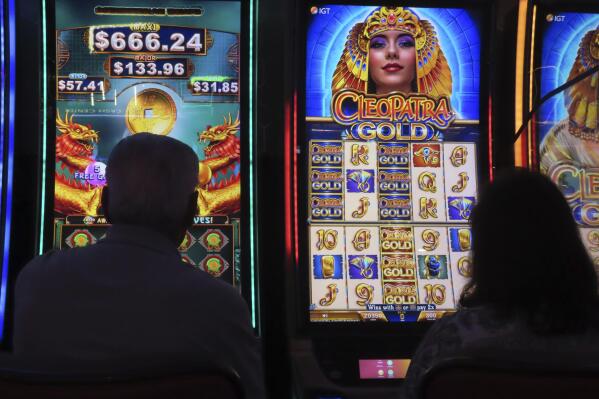
As we move further into the 21st century, the evolution of casinos appears poised to continue at a rapid pace. Innovations in technology are paving the way for even more immersive experiences. For instance, advancements in artificial intelligence and blockchain technology promise to enhance transparency and security in gaming transactions. Additionally, augmented reality may soon play a role in transforming the way players interact with games, creating a more engaging environment.
The focus on high roller experiences is also likely to intensify, as casinos aim to create exclusive offerings for affluent clients. These VIP experiences may include private gaming rooms, bespoke services, and unique entertainment options tailored to the desires of high-stakes players. As competition increases among casinos, providing luxury experiences will become a crucial factor in attracting and retaining high rollers.
Moreover, the integration of sustainability practices in casino operations is emerging as a significant trend. As social awareness grows, casinos are beginning to incorporate eco-friendly initiatives, which not only appeal to conscious consumers but also help enhance their brand image. This commitment to sustainability may shape the future landscape of the casino industry in ways we are only beginning to understand.
 Greek
Greek  English
  Spanish
  Italian
  Bulgarian
  Croatian
  Swedish